Professional Web Designer or DIY? (How to Choose)
Choosing between a professional web designer and a DIY approach involves balancing your budget, time, and business goals. While DIY platforms offer low-cost entry points, a professional designer provides the technical SEO, custom branding, and conversion-focused strategy necessary for small businesses to scale and compete effectively in modern search environments.
The DIY Siren Song: Why It Looks So Easy
We’ve all seen the commercials. A person sits in a sun-drenched coffee shop, clicks three buttons, and suddenly they have a booming e-commerce empire. It’s the ultimate dream for a small business owner: a beautiful website for the price of a monthly avocado toast subscription. And look, we get it. When you’re just starting out, every penny counts. You’re the CEO, the janitor, and the social media manager. Why not add "lead web developer" to your LinkedIn profile?
DIY platforms have come a long way. They offer templates that look decent at first glance, drag-and-drop interfaces that feel like playing a video game, and the immediate gratification of seeing your name in a browser tab. But the lure of the "easy" button often masks the reality of digital craftsmanship. Just because you have a hammer doesn’t mean you should build your own foundation, and just because you have a template doesn’t mean you have a digital strategy.
Building a website that actually works involves more than just picking a color palette. It requires an understanding of user psychology, page speed, mobile responsiveness, and technical architecture. If you’re a local business in Staten Island or New York City, the competition is fierce. A "decent" website is often just a fancy way of saying "invisible to customers."
Can you really build a professional website yourself?
Technically, yes. You can build a site. But will it be professional ? That depends on your definition. If professional means "it exists and has my phone number on it," then a DIY builder will suffice. However, if professional means "a high-performing asset that builds trust and drives revenue," the DIY path is a steep uphill climb.
Most DIY-ers run into the "Template Trap." You pick a beautiful layout, but as soon as you add your own photos and text, it looks like a digital ransom note. Why? Because templates are designed for specific content types. When you force your unique business into a generic box, the edges start to fray. You end up spending forty hours trying to move a button three pixels to the left, only to realize it looks terrible on an iPhone.
This is where the "should you" vs. "can you" debate heats up. Your time has a dollar value. If you spend sixty hours building a mediocre site instead of running your business, that website didn’t cost you $20 a month—it cost you thousands in lost productivity. Our Services are designed to reclaim that time for you, ensuring your site looks like a million bucks while you focus on making it.

What are the hidden costs of DIY web design?
The price tag on a DIY platform is rarely the final cost. Small business owners often discover "hidden taxes" that come with the do-it-yourself approach. These aren't just monetary; they're functional and strategic.
- The Technical Debt Tax : DIY builders often use bloated code to make the drag-and-drop features work. This slows down your site, which frustrates users and makes Google cranky.
- The SEO Tax : Getting found on Google requires more than just a few keywords. It requires schema markup, proper header hierarchy, and image optimization—things most DIY-ers overlook.
- The Branding Tax : Without a professional eye, your brand can feel disjointed. A pro ensures your site aligns with your overall identity, from typography to tone of voice.
- The Conversion Tax : A professional knows how to lead a user’s eye to the "Contact" or "Buy" button. A DIY site often leaves users wandering around like they’re lost in a digital corn maze.
- The Maintenance Tax : Who do you call when the site breaks at 2 AM? When you DIY, you are the tech support, the developer, and the victim.
When you look at the Our plans page, you’ll see that the investment in a pro isn't just for a pretty layout; it’s for the peace of mind that your site is built on a solid, scalable foundation.
Professional web designer vs DIY: The SEO Showdown
Search Engine Optimization (SEO) is the difference between being on the first page of Google and being in the witness protection program. While DIY builders claim to be "SEO-friendly," they often provide the bare minimum. They give you a place to put a title tag, but they don't help you with site architecture or Core Web Vitals.
A professional web designer approaches SEO from the ground up. We don't just sprinkle keywords at the end; we bake them into the site’s DNA. This includes optimizing for local searches in areas like Staten Island, ensuring your images aren't giant files that kill your load speed, and building a site that search engines can easily crawl.
Think of it this way: a DIY builder gives you a car with a nice paint job but a lawnmower engine. It looks okay in the driveway, but it’s not winning any races. A professional build is a finely tuned machine designed specifically to beat your competition in the rankings. If you want to see how this translates to real results, check out our Testimonials to see how we’ve helped other small businesses dominate their niches.
Why does professional design convert better?
Conversion is the art of turning a lurker into a customer. It’s about trust. In the split second it takes for your site to load, a potential customer is making a subconscious judgment about your credibility. If your site looks dated, amateur, or glitchy, they’ll bounce faster than a rubber ball on a NYC sidewalk.
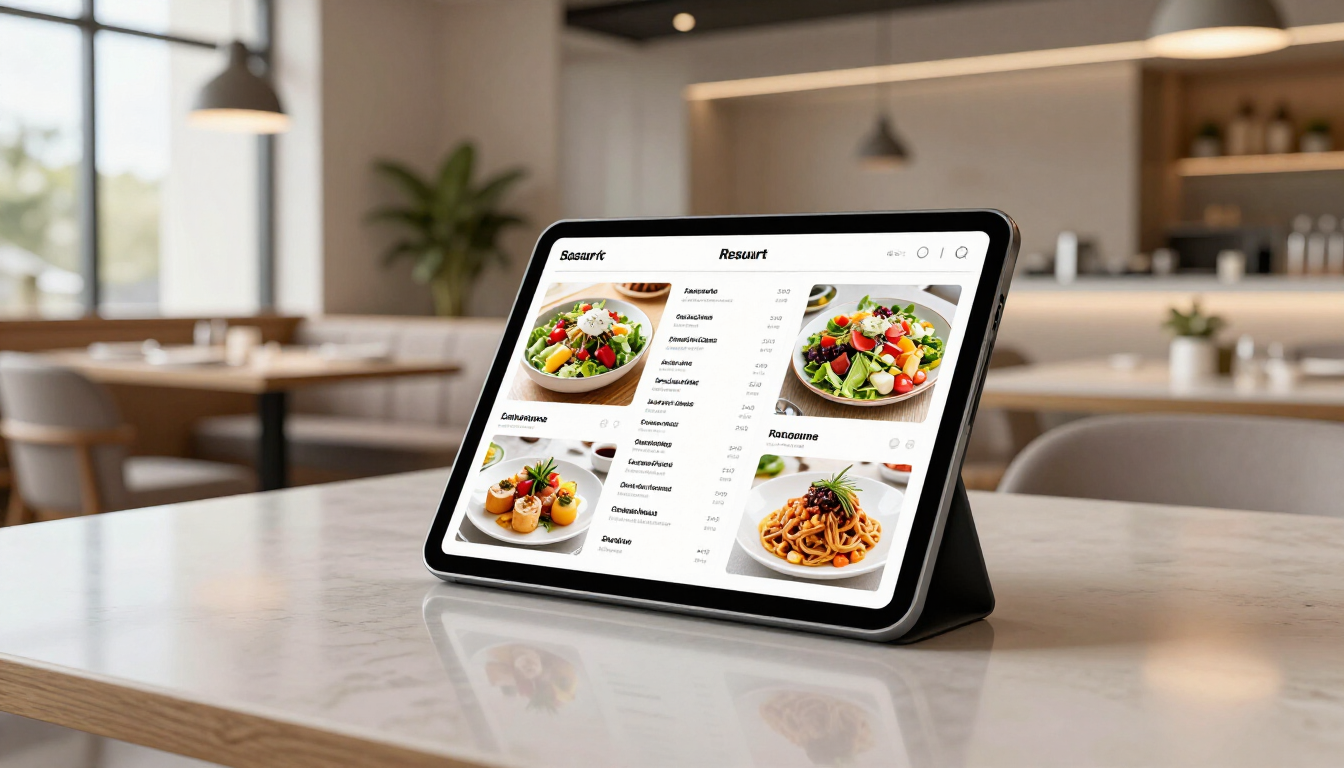
Professional designers use something called "User Experience (UX) Design." We analyze how people interact with websites. For a restaurant, that might mean a mobile-responsive menu that’s easy to read on a dark street corner. For a travel agency, it means immersive visuals that make the user feel like they’re already on vacation. We build with the end goal in mind: more calls, more bookings, and more sales.
How to decide which path is right for you?
Still on the fence? Deciding whether to hire a pro or go the DIY route usually comes down to three specific questions. If you can answer "yes" to all of these, DIY might actually be for you. If not, it’s time to Contact a professional.
- Do you have 40+ hours of free time? Building a good site takes time. If you’re already working 60 hours a week, you don't have the bandwidth to do this right.
- Is your business in a high-growth phase? If you’re planning to scale, you need a site that can grow with you. DIY sites often hit a ceiling early on.
- Are you comfortable with technical troubleshooting? When a plugin breaks or your site goes down, are you ready to spend your weekend reading forums and crying into your keyboard?
- Do you have a clear brand strategy? A website is a tool to execute a strategy. If you don't have the strategy, the tool won't help.
- Is your competition professional? Look at your top three competitors. If their sites look amazing, your DIY site will make you look like the budget option.
For many, the middle ground is the best place to start. Learn About our philosophy at DelishUs Designs—we believe every small business deserves a high-end digital presence without the enterprise-level price tag.
Summary: Making the Right Move for Your Business
Choosing between a professional web designer and DIY is a decision that impacts your business's growth, credibility, and sanity. DIY is a valid starting point for hobbyists or micro-businesses with zero budget, but for those serious about growth, professional design is an investment that pays dividends through better SEO, higher conversion rates, and a cohesive brand identity.
Key Takeaways:
- Time is Money : The hours spent struggling with DIY tools are hours taken away from your core business operations.
- Trust is Currency : A professional website establishes immediate credibility that DIY templates often struggle to match.
- Technical Excellence : Pros handle the heavy lifting of SEO, mobile optimization, and site speed so you don't have to.
- Future-Proofing : A custom-built site is scalable and can adapt to your growing business needs without starting from scratch.
Ready to stop fighting with templates and start winning with a custom strategy? Whether you're a local bar, a busy travel agency, or a rising band, we're here to help you shine online. Check out our Blog for more tips or head to our Client Onboarding Form to get started on your professional journey today.